
Catch up TV


Series 4 - Shorts: 5. Shark Conservation
It’s estimated that as many as 250 million sharks are taken from the world’s oceans every single year. Around 73 million of those are taken purely for their fins which are used in shark fin soup, with the rest of the body wasted. This fishing is causing the possibility of extinction for sharks - so, what can we do?\n\nFirst of all, learn about the fish you eat. Fish such as tuna and swordfish are caught with a very high bycatch of shark, which means sharks are caught accidentally when fishing for species. Look for sustainably caught fis, and if in doubt stay clear of it. Be aware of the things that are sold in your local fish and chip shop, as often things that are labelled as huss or rock salmon could actually be shark.\n\nAnd learn to love sharks! Having people understand that sharks are not the menacing, man-eating monsters they are made out to be is so important. Perhaps dream of diving with sharks yourself one day. With our help, sharks can survive into the future.
Source: CBBC
Most recent episodes of Deadly 60
Deadly 60

Series 7: 10. Wolves And Dolphins
Steve Backshall heads to Oman, where he abseils to a verreaux's eagle nest, tracks down wolves and swims alongside a super pod made up of over 100 dolphins.
23-11-2026
CBBC

Deadly 60
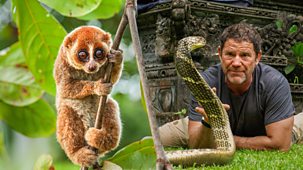
Series 7: 4. Slow Loris And King Cobras
Steve Backshall goes in search of bat-hunting boas, meets a team working to save the deadly but cute slow loris, and he comes face to face with the king of snakes: the king cobra.
22-11-2026
CBBC
Deadly 60

Series 7: 9. Peacock Jumping Spider
Steve seeks out deadly creatures in miniature, including Australia’s most beautiful spider, Oman’s deadly deathstalker scorpion and a bright blue beauty in Indonesia.
20-11-2026
CBBC
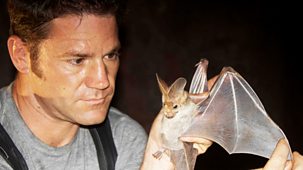
Deadly 60

Series 7: 8. Giant Sea Lions And Chilean Bullfrog
Steve Backshall heads to the cities of Chile in search of the wildlife surviving alongside people. From feisty sea lions to a giant bullfrog that needs protecting for its survival.
19-11-2026
CBBC
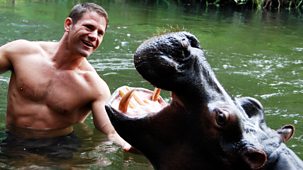
Deadly 60

Series 7: 7. Leopard Sharks And Octopus
Steve Backshall heads to Oman in search of the most cryptically camouflaged animals of the underwater world. They range from leopard sharks to the octopus, and cuttlefish to a g ...
18-11-2026
CBBC
Most popular episodes of Deadly 60
Deadly 60
Series 7: 10. Wolves And Dolphins
Steve Backshall heads to Oman, where he abseils to a verreaux's eagle nest, tracks down wolves and swims alongside a super pod made up of over 100 dolphins.
23-11-2026
CBBC
Deadly 60
Series 7: 8. Giant Sea Lions And Chilean Bullfrog
Steve Backshall heads to the cities of Chile in search of the wildlife surviving alongside people. From feisty sea lions to a giant bullfrog that needs protecting for its survival.
19-11-2026
CBBC
Deadly 60
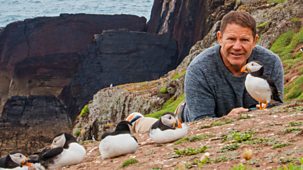
Series 7: 5. Puffins And Dragonflies
Steve Backshall heads out to find one of the UK’s greatest predators: the dragonfly. He witnesses the aerial prowess of the hobby and dives underwater with the puffin.
28-08-2026
CBBC
Deadly 60

Series 2: 26. Endangered Special
Steve Backshall looks at animals that are both deadly and endangered.\n\nSteve explores why mighty animals like the chimpanzee, mountain gorilla and harpy eagle are threatened w ...
24-08-2026
CBBC
Deadly 60
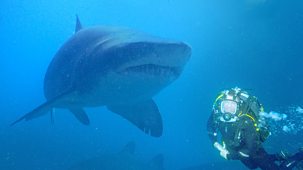
Series 6: 2. Saving Sharks
Steve dives with 100 grey nurse sharks - aka ragged-tooth sharks - a wobbegong and a gigantic whale shark, and he joins a mission in Indonesia to save sharks from over-fishing w ...
08-08-2026
CBBC
Deadly 60
Series 7: 9. Peacock Jumping Spider
Steve seeks out deadly creatures in miniature, including Australia’s most beautiful spider, Oman’s deadly deathstalker scorpion and a bright blue beauty in Indonesia.
20-11-2026
CBBC
Deadly 60
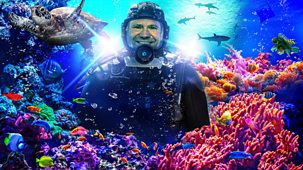
Series 7: 6. Saving Coral Reefs
In this special episode of Deadly 60, Steve Backshall takes a deep dive into the fate of one of the most extraordinary, and endangered, ecosystems on our planet: coral reefs. Th ...
17-11-2026
CBBC
Deadly 60
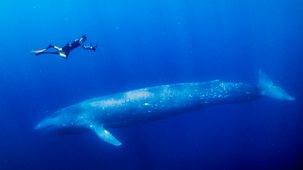
Series 7: 2. Blue Whales And Saltwater Crocodiles
Steve Backshall heads to Timor Leste in search of the biggest animal to have ever lived - the blue whale. He also hopes to find the saltwater crocodile, one of the giants of land.
11-11-2026
CBBC
Deadly 60

Series 3 - Alaska
Wildlife series. Steve and the crew head into the beautiful Alaskan wilderness, home to some of the most impressive predators on Earth - humpback whales and grizzly bears.
21-10-2026
CBBC
